The classical style الطراز الكلاسيكي The classical style originated in France in the 17th...
When designing a home, a common question arises: “If my exterior facade is classic, does my interior design have to be classic too?” The short answer is no. While cohesion is beautiful, strict uniformity is not an architectural rule.
The Two Schools of Thought
The Harmony Approach (Inside-Out Consistency): This is the traditional route. If the building has a sleek, minimalist modern facade, the interior follows the exact same language. This creates a predictable, soothing experience. What you see on the outside is exactly what you get on the inside.
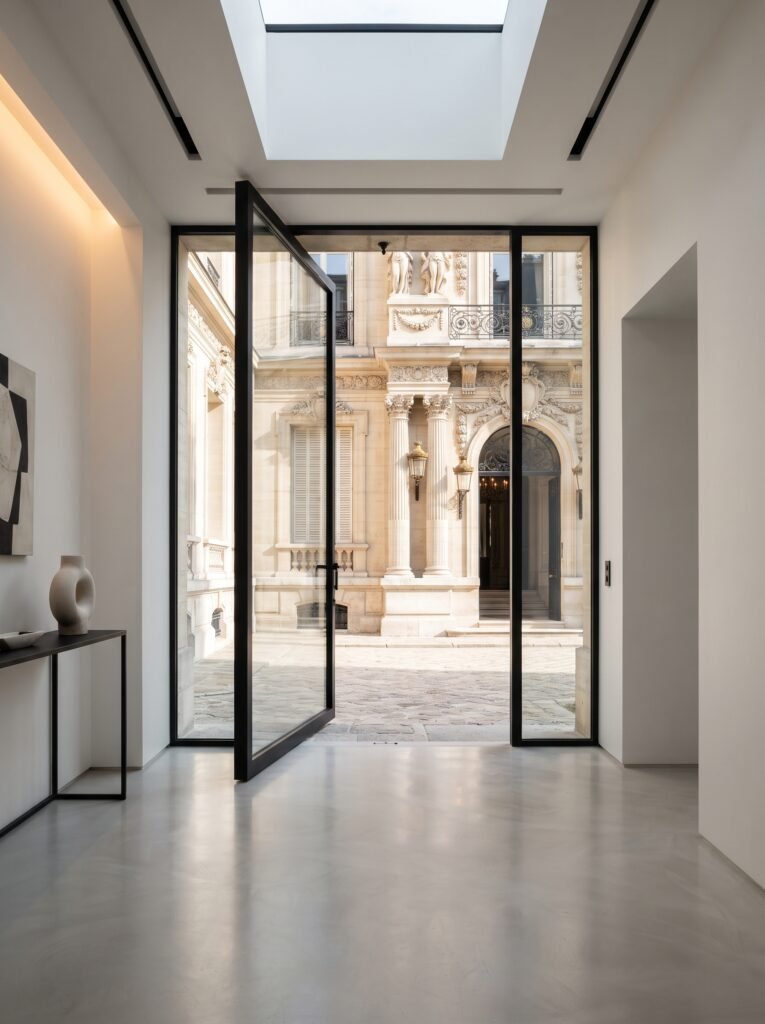
The Contrast Approach (The Element of Surprise): This approach is highly popular in contemporary architecture, especially in renovations. Imagine a historic, ornate classic exterior. You open the front door and are greeted by an ultra-modern, light-filled, minimalist interior. This contrast creates a powerful visual impact and gives the homeowner the best of both worlds.
The Transition Zone: The Secret to Success Whether you choose harmony or contrast, the relationship between the outside and the inside must be managed. This happens at the entrance. The foyer acts as a “palate cleanser” for the eyes. By carefully selecting materials, lighting, and colors in the entryway, an architect can smoothly transition the visitor from the exterior style to a completely different interior vibe without making it feel disconnected.
Conclusion Your facade is your home’s relationship with the street and the community. Your interior is your personal sanctuary. They need to have a conversation, but they don’t need to be identical twins.
كتير من العملاء وإحنا بنقعد معاهم في مرحلة التصميم بيسألونا سؤال مهم جداً: “يا باشمهندس، لو عملنا واجهة الفيلا كلاسيك وفيها تفاصيل وحجر، هل أنا مجبر أعمل الديكور جوة كلاسيك وأجيب فرش مدهب؟”.
الإجابة الهندسية المظبوطة وبمنتهى البساطة: لأ طبعاً، مش مجبر خالص. الواجهة مش لازم تكون صورة طبق الأصل من الديكور الداخلي. في عالم العمارة، إحنا عندنا مدرستين أساسيتين في النقطة دي عشان نطلع بنتيجة مريحة للعين:
المدرسة الأولى: التطابق التام (الانسجام) ودي المدرسة الكلاسيكية المضمونة. بنصمم الواجهة مودرن، وتدخل البيت تلاقي الديكور والفرش كله مودرن. الميزة هنا إن البيت بيكون مريح نفسياً وفيه تناغم، واللي بتشوفه بره هو اللي بتلاقيه جوه، مفيش مفاجآت.
المدرسة التانية: عنصر المفاجأة (التناقض المدروس) ودي مدرسة جريئة جداً وبنحبها في الشغل. تخيل إنك تشوف بيت من بره تصميمه كلاسيك فخم جداً، وتفتح الباب تلاقي جوه مساحة مودرن جداً، رايقة، ألوانها هادية ومفيهاش زحمة. التناقض ده بيعمل صدمة إيجابية وبيخلي المكان مميز جداً. المدرسة دي بتديلك ميزة إنك تحافظ على شكل العمارة الخارجية اللي بيعجب الناس، وتعيش جوه في ستايل مريح وعملي يناسب حياتك اليومية.
إزاي بنربط بينهم من غير ما نحس بنشاز؟ السر كله في “المدخل”. باب الشقة أو ردهة الاستقبال هي دي منطقة الانتقال. شطارة المهندس هنا إنه يستخدم خامات وألوان في المدخل تمهد لعينك إنها تتنقل من الستايل الخارجي للستايل الداخلي بنعومة ومن غير ما تحس إنك دخلت بيت تاني بالغلط.
الخلاصة: واجهة بيتك هي علاقتك بالشارع والمجتمع، لكن الديكور الداخلي هو مساحتك الشخصية اللي بتعيش فيها براحتك. المهم إن الانتقال بينهم يكون مدروس وناعم.
The Luxury of Vertical Space: Mastering High Ceilings – Copy
Facades vs. Interiors: Do They Have to Match? الواجهات والديكور الداخلي: هل لازم يكونوا...
Modern Style الطراز الموديرن
The modern style الطراز الموديرن(الحديث) Modern interior design is a style that has gained...
Minimal Style الطراز المينيمال
The minimal style الطراز المينيمال(الحد الادني) Minimal interior design is a style that is...